-
Shop
- Advanced Technologies
- AI Career Advantage Collection
- AI Influencers
- AI Skills Mastery 2026 Collection
- Bathroom
- Beauty
- Car Accessories
- Christmas Collection
- Dating & Social Skills
- Digital Resources
- Education & Learning
- Family & Parenting
- Fashion
- Fashion Accessories
- Food & Cooking
- Furniture
- Gadgets
- Halloween
- Health & Beauty
- Health & Wellness
- Home & Garden
- Home & Interior
- Home Electronics
- Home Supplies
- Kids & Babies
- Kids & Parents
- Legend Footwear Brands Collection
- Lighting
- Luxury Brands Collection
- Mindset
- Online Businesses
- Patio, Lawn & Garden
- Personal Growth
- Pet Care
- Pet Lifestyle & Wellness
- Pet Supplies
- Pets
- Samsung Accessories
- Smart Amazon Shopping
- Smart Home Living Guides
- Sport & Outdoors
- Super Deals
- Tech + AI
- Thanksgiving
- Travel
- Wealth
- Wealth Building
Paws & Pixels: Understand Pet Behavior with AI
15% off on product page · save $7.76
Paws & Pixels: Understand Pet Behavior with AI
What AI Can—and Cannot—Tell You
An AI tool can help you sort observations, suggest questions to ask, and offer possible explanations for a behavior. For example, pacing near the door might be connected to a familiar walk schedule, excitement, or something happening outside. Those are possibilities to investigate, not conclusions.
AI cannot reliably translate your pet’s thoughts or vocalizations, and its response is not a diagnosis. Your pet’s routine, surroundings, age, and individual history all matter. A suggestion that sounds reasonable in isolation may not fit what you see at home.
Check the product’s listed specifications when evaluating what ai can—and cannot—tell you.
Start with One Observable Behavior
Choose a specific action rather than a broad label. “Paces between the door and the window for five minutes before a walk” gives you more to work with than “acts anxious.” Note when it happens, what occurred just before it, and what your pet does afterward.
- Pacing near the door: Note the time and usual walk schedule. Ask what might explain the pacing in that context.
- Hiding from visitors: Note the noise level and access to a quiet space. Ask about low-risk ways to make the environment more comfortable.
- Repeated vocalizing: Note routine changes and accompanying behavior. Ask what details might be useful to share with your vet.
A short record over several days may reveal a pattern. If the change is sudden or your pet appears unwell, contact your veterinarian rather than waiting to collect more observations.
Featured in this guide
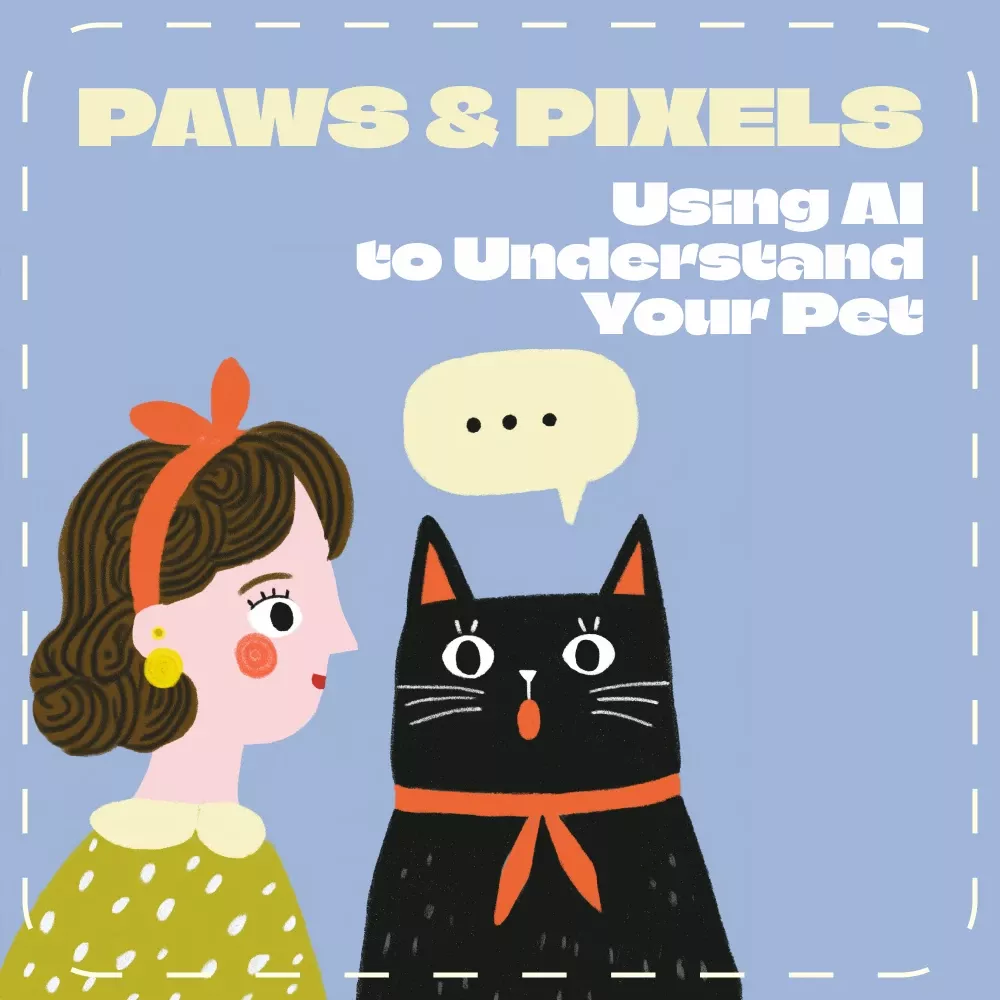
Paws & Pixels: Using AI to Understand Your Pet | Digital Guide on how to use ai to understand what your pet is saying | Learn Pet Behavior Decoding with AI Tools
Turn an Observation into a Question
Describe what you see and hear without assigning a feeling as fact. Instead of saying your pet is angry when guests arrive, explain that your pet retreats under a table when the doorbell rings and stays there while visitors are present.
Ask for several possible explanations and what to observe next. Compare suggestions with your pet’s response, and stop an activity if it appears to increase distress. Never force an animal to interact with a visitor to test an AI-generated idea.
Share only what the question needs. Behavior, timing, surroundings, and routine changes are more useful than your address or other personal details.
Know When to Ask a Professional
Contact your veterinarian about sudden behavior changes, signs of pain, or other health concerns. Behavior changes can have a medical cause, so an online interpretation should not delay care. Your notes can help you describe what happened and when.
For persistent or concerning behavior, a qualified behavior professional can help develop a plan suited to your pet. This is especially important when biting, aggression, or another safety concern is involved. Use patient, humane handling rather than punishment based on an AI-generated interpretation.
Is Paws & Pixels Right for You?
Our Paws & Pixels digital guide is a resource for exploring AI and pet behavior. It may suit you if you want to approach everyday observations with more structured questions.
If you need a diagnosis or help with an urgent health or safety concern, speak with a professional rather than relying on a digital guide or an AI response.
Check the product’s listed specifications when evaluating is paws & pixels right for you.
Watch · product page video
“I’m so grateful for this guide! It’s been a revelation to understand my pet’s emotions and behavior better💕”
Rivetina product page · Product review
Compare related options such as Zero to Hustle: Unlocking Online Side Gigs Without Spending a Dime | Guide to Online Side Hustles with No Investment, Digital Download PDF to match features, dimensions, and use case before choosing.
FAQ
What app can I use to turn a dog photo into a painting?
You can use a photo-editing app with painting filters, such as Prisma, to apply an artistic effect to a dog photo. Review the app’s privacy settings before uploading an image.
How to get a pet in pixels?
You can create pixel art of your pet by drawing from a photo in a pixel-art editor or applying a pixelation effect in a photo editor. Start with a clear image and a small color palette.
Do pet photographers make money?
Yes, pet photographers can earn money through portrait sessions, prints, and commercial work. Income varies with demand, pricing, expenses, and experience.
See if Paws & Pixels: Using AI to Understand Your Pet | Digital Guide on how to use ai to understand what your pet is saying | Learn Pet Behavior Decoding with AI Tools fits your setup
Was this article helpful?
Yes
No









Leave a comment