-
Shop
- Advanced Technologies
- AI Career Advantage Collection
- AI Influencers
- AI Skills Mastery 2026 Collection
- Bathroom
- Beauty
- Car Accessories
- Christmas Collection
- Dating & Social Skills
- Digital Resources
- Education & Learning
- Family & Parenting
- Fashion
- Fashion Accessories
- Food & Cooking
- Furniture
- Gadgets
- Halloween
- Health & Beauty
- Health & Wellness
- Home & Garden
- Home & Interior
- Home Electronics
- Home Supplies
- Kids & Babies
- Kids & Parents
- Legend Footwear Brands Collection
- Lighting
- Luxury Brands Collection
- Mindset
- Online Businesses
- Patio, Lawn & Garden
- Personal Growth
- Pet Care
- Pet Lifestyle & Wellness
- Pet Supplies
- Pets
- Samsung Accessories
- Smart Amazon Shopping
- Smart Home Living Guides
- Sport & Outdoors
- Super Deals
- Tech + AI
- Thanksgiving
- Travel
- Wealth
- Wealth Building
Can You Keep a Dragon as a Pet? Real-Life Options

15% off on product page · save $7.76
Can You Keep a Dragon as a Pet? Real-Life Options
Choose a real-life dragon
Bearded dragons are lizards, and they need a suitable enclosure, controlled heat, appropriate lighting, and a diet suited to their age and species. Other animals called dragons can have very different care requirements, so identify the exact species before deciding whether it fits your home, experience, and budget.
Before you commit, find a veterinarian experienced with reptiles and confirm that you can legally keep the animal where you live. Also consider who will provide daily care and arrange qualified care when you travel, since an enclosure does not make a reptile self-sufficient.
Check the product’s listed specifications when evaluating choose a real-life dragon.

Prepare its home before it arrives
Set up an enclosure that gives your reptile enough room to move, with secure ventilation, places to hide, and a temperature gradient so it can move between warmer and cooler areas. Provide appropriate UVB lighting and use reliable thermometers to monitor conditions rather than guessing whether the enclosure feels warm enough.
Food and habitat needs vary by species and life stage, so get species-specific guidance from a reptile veterinarian or another qualified source before buying supplies. Plan for routine cleaning, fresh water, and ongoing replacement of equipment as needed, as well as veterinary visits and possible unexpected expenses.
Featured in this guide
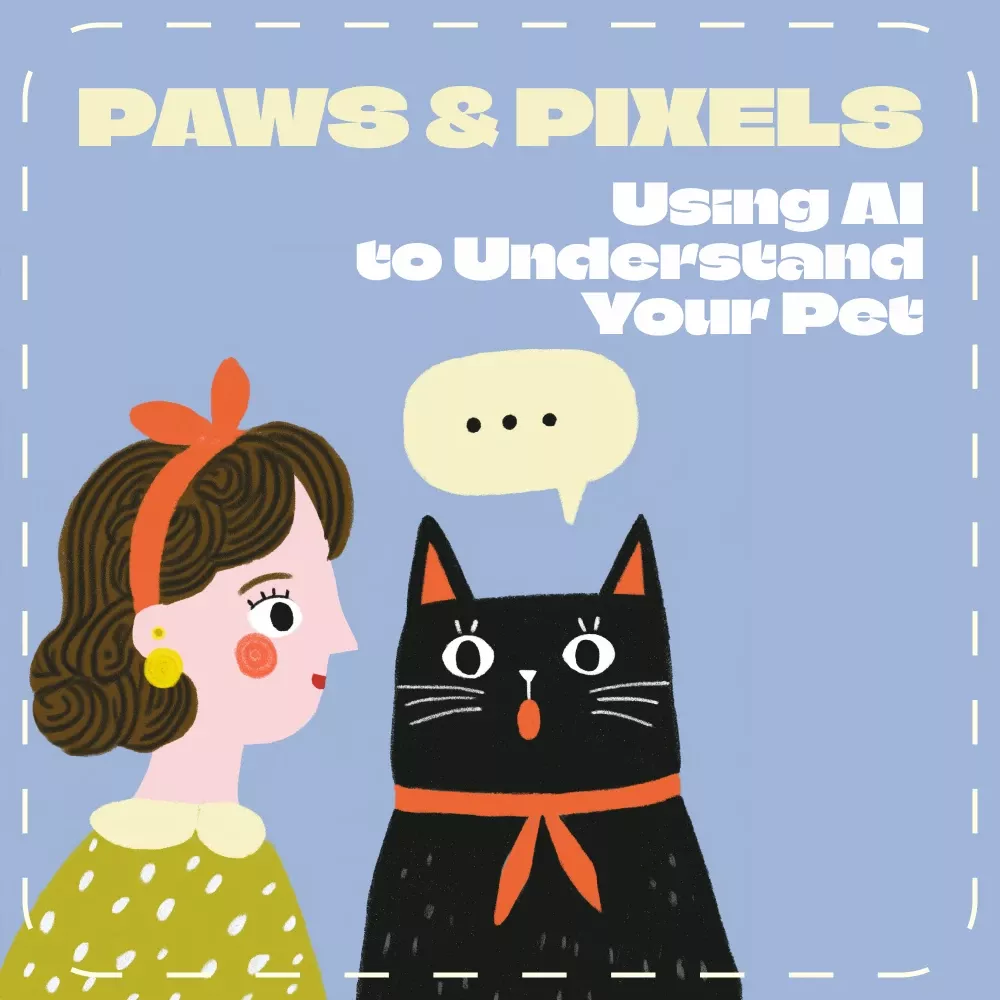
Paws & Pixels: Using AI to Understand Your Pet | Digital Guide on how to use ai to understand what your pet is saying | Learn Pet Behavior Decoding with AI Tools
Build trust through gentle care
A pet reptile may become accustomed to your presence and tolerate gentle handling, but it will not necessarily seek affection or interact like a mammal. Give a new animal time to settle in, support its body when handling it, and return it to its enclosure if it shows signs of stress.
Wash your hands after handling a reptile or its enclosure, and supervise interactions with children. Paying attention to changes in appetite, movement, and usual behavior can also help you notice when it is time to ask a reptile veterinarian for advice.
Learn more about pet behavior
If you enjoy finding ways to understand an animal’s behavior, our Paws & Pixels digital guide explores using AI tools to understand what your pet may be communicating. It can be a starting point for thinking about behavior, while species-specific husbandry and veterinary advice remain important for caring for a reptile.
Check the product’s listed specifications when evaluating learn more about pet behavior.
Watch · product page video
“I’m so grateful for this guide! It’s been a revelation to understand my pet’s emotions and behavior better💕”
Rivetina product page · Product review
FAQ
How much does a pet dragon cost?
The cost varies by species and includes more than the animal itself. Budget for an enclosure, heating, lighting, food, cleaning supplies, and veterinary care before you decide whether a reptile fits your finances.
See if Paws & Pixels: Using AI to Understand Your Pet | Digital Guide on how to use ai to understand what your pet is saying | Learn Pet Behavior Decoding with AI Tools fits your setup
Was this article helpful?
Yes
No









Leave a comment